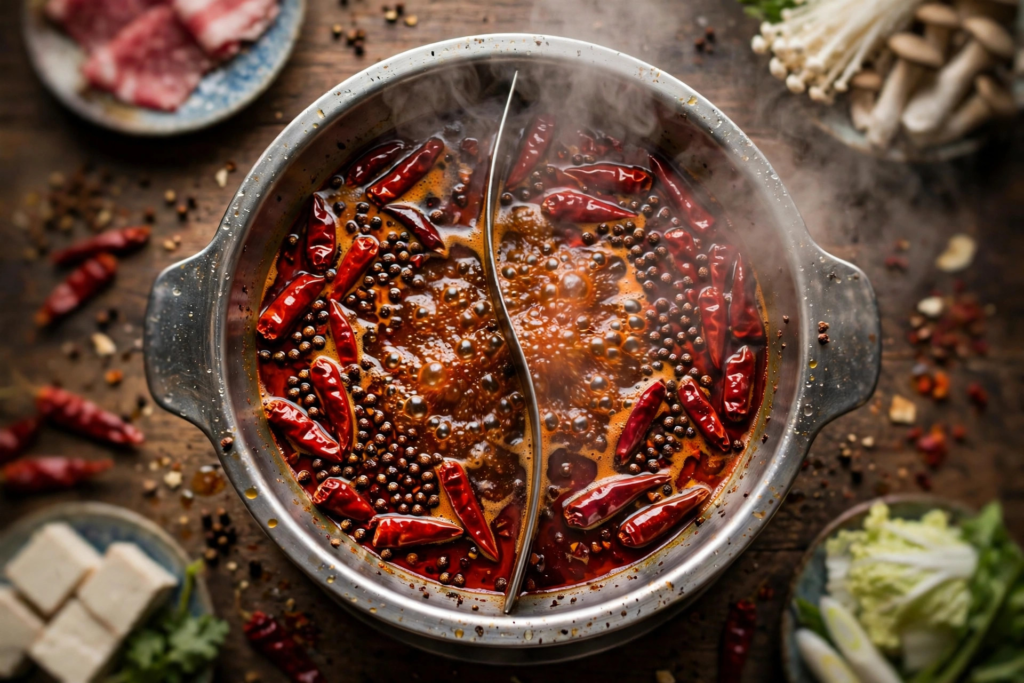
The first time you taste real ma la, your brain files a complaint. Your lips start buzzing like you licked a battery. Your tongue goes pleasantly, fuzzily numb. And instead of the chili heat getting worse, it somehow gets better — rounder, almost sweet, arriving in waves. Nothing in Western cooking prepares you for it, because Western cooking doesn’t have a word for it.
Chinese does: ma la (麻辣, pronounced “mah-lah”). It’s the defining flavor of Sichuan cooking, and it isn’t just “spicy.” It’s two sensations braided together — numbing and hot — and understanding the difference will change how you eat, order, and cook Sichuan food forever.
What Is Ma La Flavor?
Break the word in half and it tells you everything. Ma (麻) means numbing — the tingling, buzzing sensation from Sichuan peppercorns. La (辣) means spicy-hot — the burn from dried chilies. Put them together and you get ma la: “numbing-spicy,” the signature taste of Sichuan province.
Here’s the part most people miss: you need both halves. Chili heat alone isn’t ma la. Numbing tingle alone isn’t ma la. It’s the duet that counts — the numbness actually reshapes how you perceive the heat, mellowing and stretching it across your palate instead of letting it stab one spot. People who “don’t like spicy food” sometimes love ma la, because the ma half takes the edge off the la half.
Ma la sits at the heart of Sichuan’s place among China’s great regional cuisines — the bold, layered, unapologetic counterpoint to milder traditions. If Cantonese cooking whispers, Sichuan cooking grabs you by the collar.
Ma vs La: Why You Need Both Halves
Think of ma and la as two instruments. Separately they’re fine. Together they’re the whole band.
| Ma (麻) — the numbing | La (辣) — the heat | |
|---|---|---|
| Comes from | Sichuan peppercorns (huajiao) | Dried red chilies |
| Active compound | Hydroxy-alpha sanshool | Capsaicin |
| What you feel | Tingling, buzzing, citrusy numbness | Burning warmth |
| Flavor character | Floral, lemony, almost electric | Smoky, sharp, direct |
Now here’s a trap worth knowing about. Plenty of restaurants and bottled sauces sell something labeled “mala” that’s really just lazi — chili oil with heat but no numbing, because Sichuan peppercorns cost more and go stale faster. As one mala guide puts it, if your lips don’t start tingling within about fifteen seconds, you weren’t served real ma la. You were served spicy oil wearing a costume.
Once you’ve felt the real thing, the fake is obvious. The numbness isn’t subtle. It’s the whole point.
The Science of the Tingle
So what exactly is happening in your mouth? Something genuinely weird.
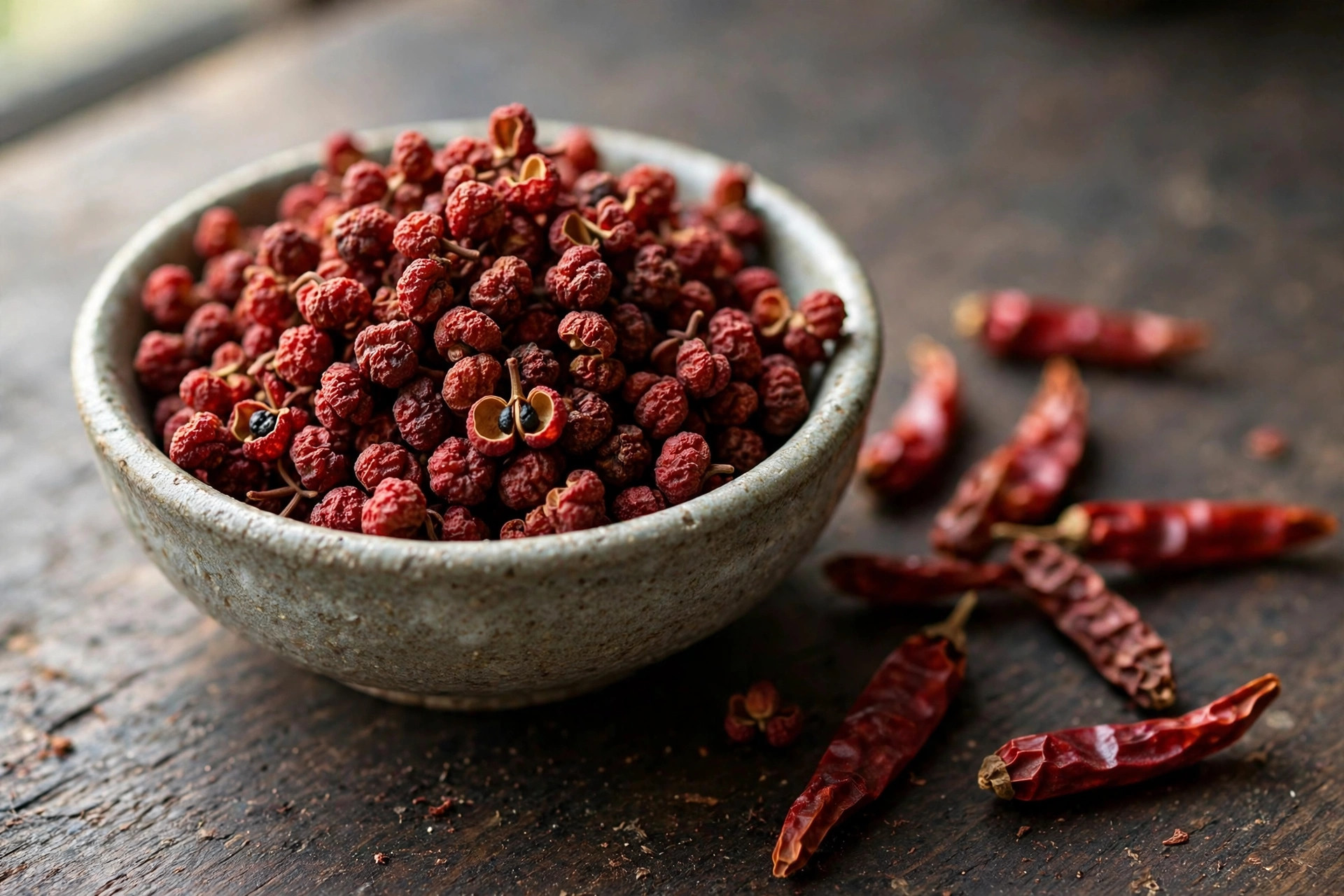
First, Sichuan pepper isn’t pepper at all. It’s the dried husk of a berry from the Zanthoxylum genus — same botanical family as citrus trees. Black peppercorns can’t make your lips buzz; these can, because they contain a compound called hydroxy-alpha sanshool that black pepper simply doesn’t have. The shiny black seeds inside the husk get discarded. The husk is the spice.
When sanshool hits your mouth, it sets your touch receptors vibrating at roughly 50 hertz — about the frequency of a phone buzzing on a table. A Royal Society study measured exactly this: lips literally trembling at 50Hz. Food scientist Harold McGee describes the result as a strange tingling, buzzing numbness, something like carbonated drinks or touching a nine-volt battery to your tongue — the compound fires touch, cool, and cold receptors all at once, creating what he calls a kind of general neurological confusion.
A Smithsonian writer tasting ma la hot pot in New York’s Chinatown described it beautifully: the citrusy buzz spread across his mouth and almost perfectly balanced the chili heat, mellowing it and sweetening it in waves. That’s the duet working. The ma doesn’t fight the la — it conducts it.
The effect usually lasts fifteen to thirty minutes, fading gradually. Nobody’s mouth ever stayed numb forever, no matter what the first bite suggests.
Red vs Green: Know Your Huajiao
Not all Sichuan peppercorns are the same. Chinese markets sell two main types, and they behave differently:
- Red huajiao (hong huajiao, from Zanthoxylum bungeanum) — the classic. More pungent and aromatic, with deeper citrus-floral notes. This is what most recipes mean by “Sichuan peppercorn.”
- Green huajiao (qing huajiao, from Z. schinifolium) — more intensely numbing but less aromatic, with a fresher, sharper character. Common in newer “green pepper” dishes and as vine pepper (tengjiao) oil.
If you’re buying your first bag, get red. It’s the all-rounder — the flavor behind mapo tofu, kung pao chicken, and hot pot. Green is the specialist’s choice, worth exploring once you know what the baseline tastes like.
One more form worth knowing: Sichuan pepper oil (huajiao oil), an infusion that delivers the numbing flavor without the texture of whole husks. A few drops finish a dish the way sesame oil does — at the end, off the heat. And Sichuan pepper is also one of the five spices in five-spice powder, which is how many Western cooks meet it first without realizing.
The Dishes That Show Off Ma La Best
Ma la isn’t a condiment you sprinkle on top. It’s a flavor system that whole dishes are built around. These are the classics:
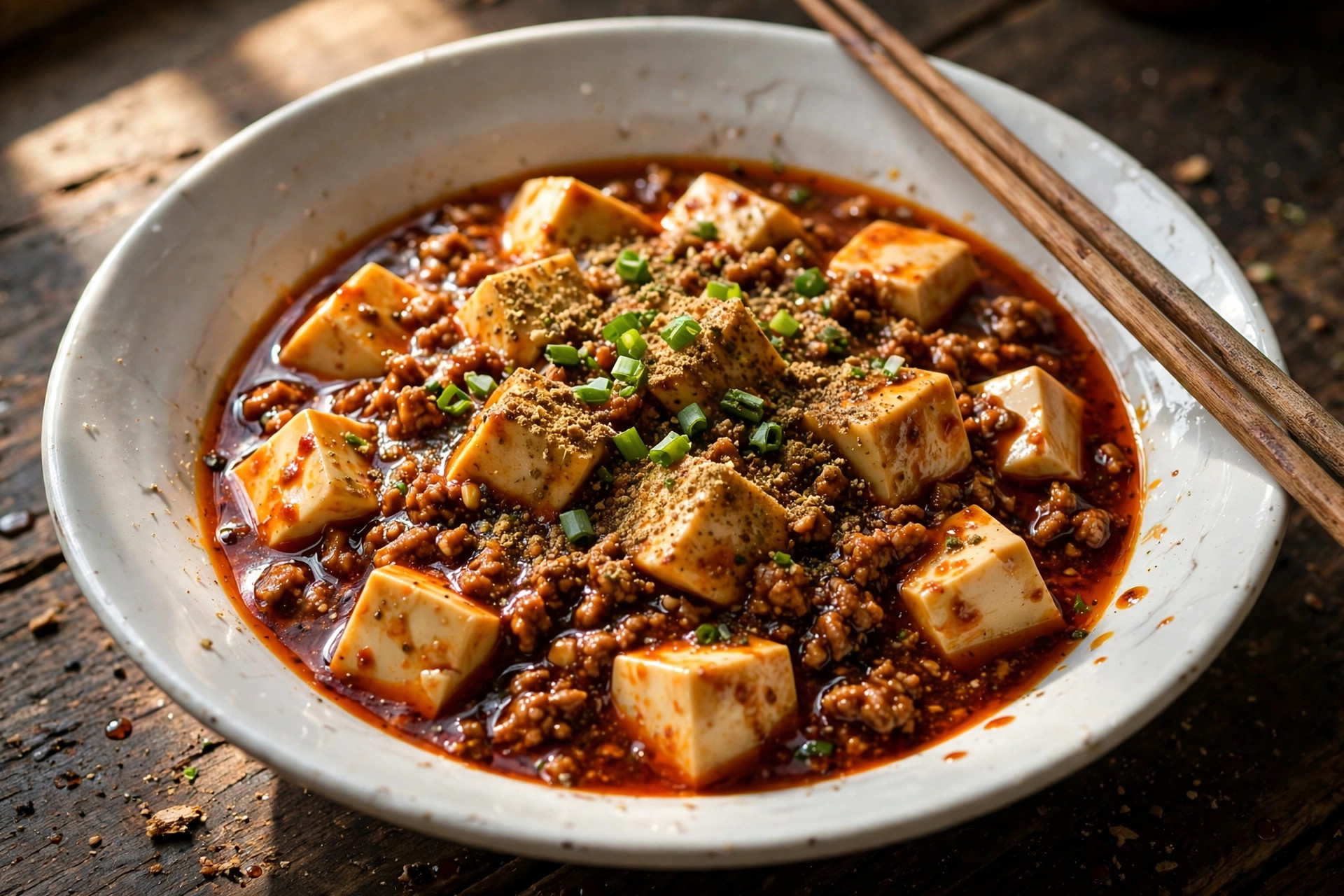
- Mapo tofu — silky tofu in a glossy sauce of fermented chili bean paste, minced pork, and a blizzard of ground Sichuan pepper. The benchmark ma la dish.
- Chongqing hot pot — a bubbling cauldron of tallow, chilies, and peppercorns you cook raw ingredients in. The full immersion experience. (New to the format? Start with how Chinese hot pot works.)
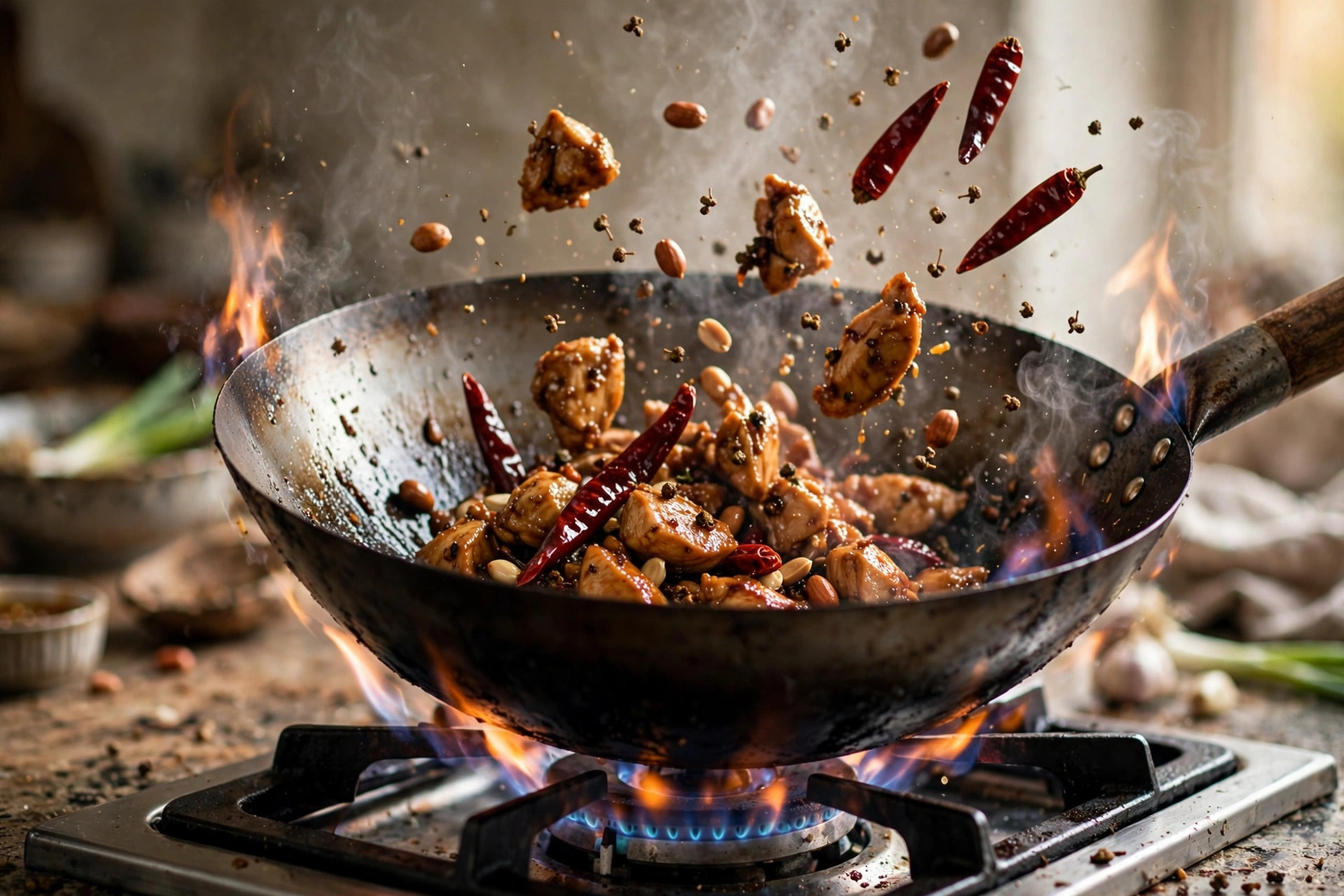
- Kung pao chicken — diced chicken, peanuts, and dried chilies wok-tossed with peppercorns. Ma la in its most approachable form.
- Dry pot (gan guo) — the stir-fried cousin of hot pot: cauliflower, potatoes, or meats tossed in a dry wok with the full ma la arsenal, no broth.
- Dan dan noodles — wheat noodles in a dark, savory sauce where the numbing-spicy balance does all the talking.
- Saliva chicken (kou shui ji) — poached chicken in chili oil with ground Sichuan pepper. The name sounds alarming; the dish is magnificent.
How to Cook With Ma La at Home
Cooking with ma la is easy once you respect a few rules. Break them and you’ll wonder what the fuss is about — the flavor is volatile and unforgiving of lazy technique.
- Buy whole, never pre-ground. Ground Sichuan pepper loses its aroma fast. Whole husks keep their punch for months; powder goes flat in weeks.
- Sort before you cook. Pick out stems, twigs, and the hard black seeds. You want clean husks only — the rest adds bitterness.
- Dry-toast until fragrant. A minute or two in a dry wok or skillet wakes up the citrus oils. You’ll smell when it’s ready.
- Grind it fresh. A spice grinder or mortar and pestle, right before cooking. This single habit separates good ma la from great ma la.
- Add it late. The numbing compounds are delicate — long simmering destroys them. Stir ground pepper in during the last few minutes, or dust it over the finished dish.
- Bloom in oil for maximum effect. Frying the toasted, ground pepper briefly in hot oil (with your chilies) extracts the full flavor into the fat, which then carries it through the whole dish.
- Start with a 1:2 ratio. Roughly one part Sichuan pepper to two parts dried chilies by volume is a solid baseline. Adjust toward more ma or more la to taste.
- Make hua jiao yan. Toasted Sichuan pepper ground with salt — pepper salt — is the great Sichuan condiment. Dip fried chicken, duck, or pork in it and you’ll understand everything.
A good wok helps enormously here, since ma la cooking is fast, hot, and aromatic — a properly seasoned wok makes the difference between fragrant and scorched.
One last technique tip: taste as you go and adjust the balance deliberately. Too much la and not enough ma gives you flat, one-note burn. Too much ma with no la tastes oddly hollow — all tingle, no backbone. The magic lives in the middle, and the middle is a personal thing. Sichuan locals often push the ma harder than outsiders expect, so if a dish tastes hot but boring, it usually needs more peppercorn, not more chili.
Buying and Storing Sichuan Peppercorns
A quick buyer’s guide, because quality varies wildly:
- Look for vibrant reddish-brown husks with a strong citrusy smell when you open the bag. Dull, dusty, faint-smelling pepper is old.
- Chinese grocery stores beat supermarket jars on freshness and price, every time. Look in the spice aisle, usually near the star anise.
- Store airtight, away from light and heat. A sealed jar in a dark cupboard keeps whole peppercorns potent for six months or more.
- Fun history: the US banned Sichuan peppercorn imports from 1968 to 2005 over fears the husks could carry citrus canker, a plant disease — Wikipedia’s article on Sichuan pepper documents the whole saga. Imports resumed after heat-treatment rules were set. So if your grandmother never cooked with it, that’s partly why.
Frequently Asked Questions
Is ma la just another word for spicy?
No — and that’s the whole point. “Spicy” in English usually means chili heat alone. Ma la specifically means the combination of numbing (ma) and heat (la). A dish can be fiery without being ma la, if the Sichuan pepper is missing.
Is Sichuan pepper related to black pepper?
Not at all. Black pepper is Piper nigrum; Sichuan pepper is a citrus-family berry husk. They share a name by coincidence and a shelf by habit, but substituting black pepper for Sichuan pepper gives you zero tingle — the signature sensation comes from sanshool, which black pepper doesn’t contain.
How long does the numbing last?
Typically fifteen to thirty minutes, fading gradually. It’s a pleasant buzz, not dental anesthesia — you can still taste everything, and most people find food actually tastes more interesting while it’s happening.
Can I make ma la without Sichuan peppercorns?
You can make something spicy, but you can’t make ma la. The peppercorn is the ma half by definition. Timut pepper from Nepal (a close Zanthoxylum cousin) is the nearest substitute; black or pink peppercorns won’t do it.
Is ma la very hot? I’m nervous.
It can be, but the numbness genuinely softens the perception of heat — many chili-shy eaters handle ma la dishes better than straight chili dishes. Start with kung pao chicken or mapo tofu at a restaurant and ask for mild. You’ll feel the tingle without the fire alarm.
Ma la rewards curiosity. Buy a bag of whole red huajiao, toast it, grind it, and stir it into your next stir-fry — then pay attention to the fifteen seconds after the first bite. That buzzing on your lips is two thousand years of Sichuan cooking introducing itself. Once you’ve felt it, plain “spicy” will never quite satisfy you again.
[…] flavor is the famous ma la combination — numbing heat from Sichuan pepper plus burning heat from chili oil — rounded out […]
[…] the Sichuan version sounds like your speed, the numbing-and-spicy logic behind it is the same ma la flavor that defines the region’s cooking — and the contrast with Cantonese restraint is a perfect […]
[…] key distinction: ma la is about the numbing tingle of Sichuan peppercorns, while yu xiang usually contains no peppercorns […]
[…] sweet with a tart edge) made from soy sauce, black vinegar, and sugar. If you’ve read about ma la flavor or why Sichuan peppercorns numb your mouth, this is that cuisine in its most famous […]