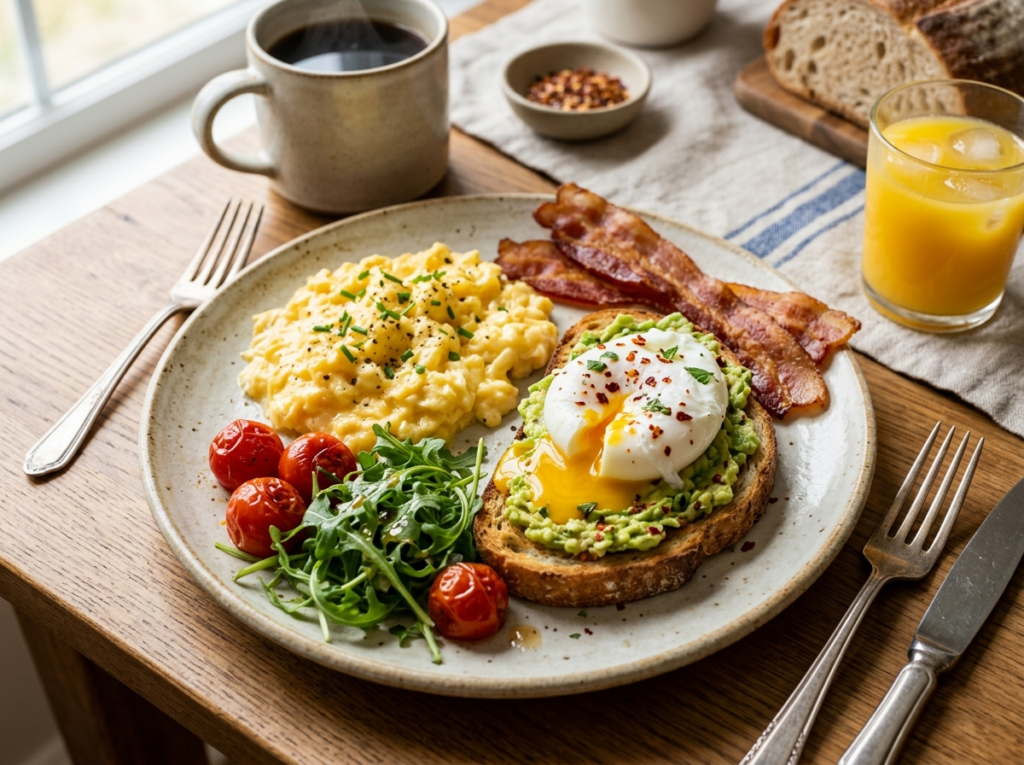
I was a young cook, maybe a year into my first serious kitchen gig, and I was struggling with omelets. Mine were rubbery, browned, and fell apart. The executive chef, a quiet Frenchman named Jean-Pierre, watched me fail one morning. He didn’t yell. He just took three eggs, cracked them into a bowl, and looked at me. “You are fighting the egg,” he said, his voice low. “The egg is not your enemy. It is a perfect canvas. Your job is not to conquer it, but to understand it. Then, you can paint anything.”
That single conversation fundamentally rewired my approach to cooking. It taught me that most home cooks and even many professionals treat egg dishes as a collection of disconnected recipes. A scramble recipe, a frittata recipe, a mayonnaise recipe. They’re all filed away in separate mental folders. The truth is, there are only a handful of fundamental techniques that govern the behavior of an egg. Master these techniques, and you don’t need recipes anymore. You can create infinite variations for any meal of the day.
This isn’t going to be a list of “10 examples of egg dishes.” That’s a fool’s errand. Instead, I’m going to give you the framework. I’ll break down the science of the egg and introduce you to the Four Pillars of Egg Cookery. This is the insider’s guide that will free you from recipe cards forever and allow you to treat the egg as the versatile, magnificent canvas it truly is.
The Science of the Canvas: Understanding Your Medium
Before we can paint, we need to understand our paints and primers. An egg is a miracle of packaging, a self-contained system of fat, protein, and water. Understanding how these components interact is the key to everything.
- The Yolk: This is the artist’s rich, vibrant paint. It’s about 50% water, but more importantly, it contains all the fat and the emulsifiers (lecithin). The fat provides flavor and richness. The emulsifiers are the magic ingredient that allows fat and water to mix into a stable, creamy emulsion, like in mayonnaise or hollandaise. The yolk also coagulates at a lower temperature than the white, which is why the center of a soft-boiled egg is still liquid when the white is firm.
- The White: This is the canvas primer, the structural support system. It’s about 90% water and 10% proteins (primarily albumin). When you apply heat, these proteins unravel and then link together to form a solid network. This process is called coagulation. The speed and temperature at which you apply the heat determines the final texture—from a tender, custardy coagulation to a tough, rubbery one.
Every single egg dish you can think of is simply a manipulation of these two components through the application of heat, air, and mechanical force. You are either managing coagulation, creating an emulsion, or incorporating air. That’s it. Understanding this transforms cooking from a list of steps into a creative act.
The Four Pillars: A New Taxonomy for Egg Dishes
Forget the old types of egg dishes list (scrambled, fried, boiled…). That’s a list of outcomes, not techniques. Here is the professional framework, the Four Pillars that govern all egg cookery. Master these, and you can create any breakfast egg dishes, egg dishes for dinner, or anything in between.
| Pillar | The Core Principle | The Texture Outcome | Classic Examples |
|---|---|---|---|
| 1. The Gentle Coagulation | Cooking the egg mixture slowly and gently, often with a water bath or steam, to create a delicate, tender, custard-like set. | Silky, smooth, trembling, custardy. | Japanese Chawanmushi, French Crème Caramel, Savory Custards, Steamed Egg Custard. |
| 2. The Rapid Coagulation | Applying high, direct heat to the eggs to quickly set the proteins, creating a firmer, often fluffier texture. | Firm, fluffy, tender-crisp (in the case of a well-made omelet). | Scrambled Eggs, Omelets, Frittatas, Quiche. |
| 3. The Emulsion | Using the yolk’s lecithin to create a stable mixture of fat and water into a smooth, thick sauce. | Creamy, rich, thick, velvety. | Mayonnaise, Hollandaise, Béarnaise, Aioli. |
| 4. The Aeration | Whipping egg whites to incorporate air, creating a foam that can be folded into a mixture for leavening. | Light, airy, expansive, ethereal. | Soufflés (sweet and savory), Meringues, Angel Food Cake. |
This table is your new recipe book. Let’s dive into each pillar and see how they apply to your cooking life.
Pillar 1: The Gentle Coagulation (The Art of Patience)
This is perhaps the most underutilized pillar in Western home cooking, but it’s a cornerstone of many Asian and European dishes. The goal is to cook the eggs so gently that the protein network forms with the most delicate, tender structure possible. This is the secret to the soul-warming Japanese egg dishes like Chawanmushi.
The key is low, moist, and even heat. You can achieve this in three ways:
- The Water Bath (Bain-Marie): Place your ramekin or baking dish in a larger pan filled with hot water that comes halfway up the sides. Bake in a moderate oven (325-350°F). The water buffers the heat, preventing the eggs from curdling.
- Steaming: Place your dish in a bamboo or metal steamer over simmering water. This provides gentle, consistent heat.
- Sous Vide: The ultimate control. Cook your egg mixture in a vacuum-sealed bag in a precisely controlled water bath. This is a foolproof way to get a perfect, custardy texture every time.
Insider Application: Think beyond dessert. Create a savory custard with mushroom duxelles and Gruyère for an elegant appetizer. Or make a large batch of steamed eggs with chicken and ginger, a classic Chinese comfort food. This technique is your secret weapon for creating incredibly sophisticated egg dishes for brunch.
Pillar 2: The Rapid Coagulation (The Everyday Workhorse)
This is the pillar that governs most of our breakfast egg dishes. The key here is controlling the rate of coagulation. High heat = fast coagulation. Low heat = slow coagulation. This is the difference between a creamy French-style scramble and a fluffy, diner-style scramble.
- For Creamy Scrambles: Use low heat, constant stirring, and remove the pan from the heat while the eggs are still slightly underdone. The residual heat will finish them. For ultimate richness, finish with a knob of cold butter or a dollop of crème fraîche off the heat.
- For Fluffy Scrambles: Use higher heat and less stirring. Let the eggs set in large curds before folding them. Some chefs even add a touch of baking soda (an alkali) to raise the pH, which helps the eggs set fluffier.
- For the Perfect Omelet: This is a dance of heat and timing. Get your non-stick pan screaming hot. Add your fat, then your well-beaten eggs. They should seize immediately. Give them a quick stir with a fork, then let them form a skin. Add your fillings, then roll it out of the pan onto the plate. The whole process should take less than 60 seconds.
Pillar 3: The Emulsion (Liquid Gold)
This is the pillar that separates the cooks from the chefs. Creating a stable emulsion like hollandaise or mayonnaise seems like magic, but it’s just science. The lecithin in the yolk is a powerful emulsifier that surrounds tiny droplets of oil, preventing them from rejoining.
The two most common mistakes are adding the oil too fast and using ingredients that are too cold.
The Foolproof Method for Mayonnaise:
- Start with your yolk, acid (vinegar or lemon juice), and a pinch of salt in a bowl that’s secured with a damp towel.
- Whisking constantly, add your neutral oil drop by drop at first. You are creating the initial emulsion, the “mayo.”
- Once you see it thicken and start to look like mayonnaise, you can start adding the oil in a slow, thin stream.
- If it “breaks” (looks oily and curdled), don’t despair. Start with a new yolk in a clean bowl and very slowly whisk your broken sauce into it. The new yolk will rescue the emulsion.
Pillar 4: The Aeration (The Grand Finale)
This is the most theatrical pillar. When you whip egg whites, you are denaturing the proteins and forcing air into them. The proteins form a scaffolding around the air bubbles. The key is a fat-free environment. Any trace of yolk fat or grease in your bowl will prevent the whites from whipping to their full volume.
The Soufflé Secret: A soufflé is not as scary as it seems. It’s just a flavored base (a béchamel for a cheese soufflé, or a fruit purée for a dessert one) lightened with whipped egg whites. The two secrets are:
- Gentle Folding: Use a spatula to cut down the middle of the mixture and bring it up from the bottom, turning the bowl as you go. You want to incorporate the whites without deflating them.
- A Hot Oven: The initial blast of high heat causes the air bubbles to expand rapidly, giving the soufflé its “lift.” Then, you can lower the heat to cook it through without burning.